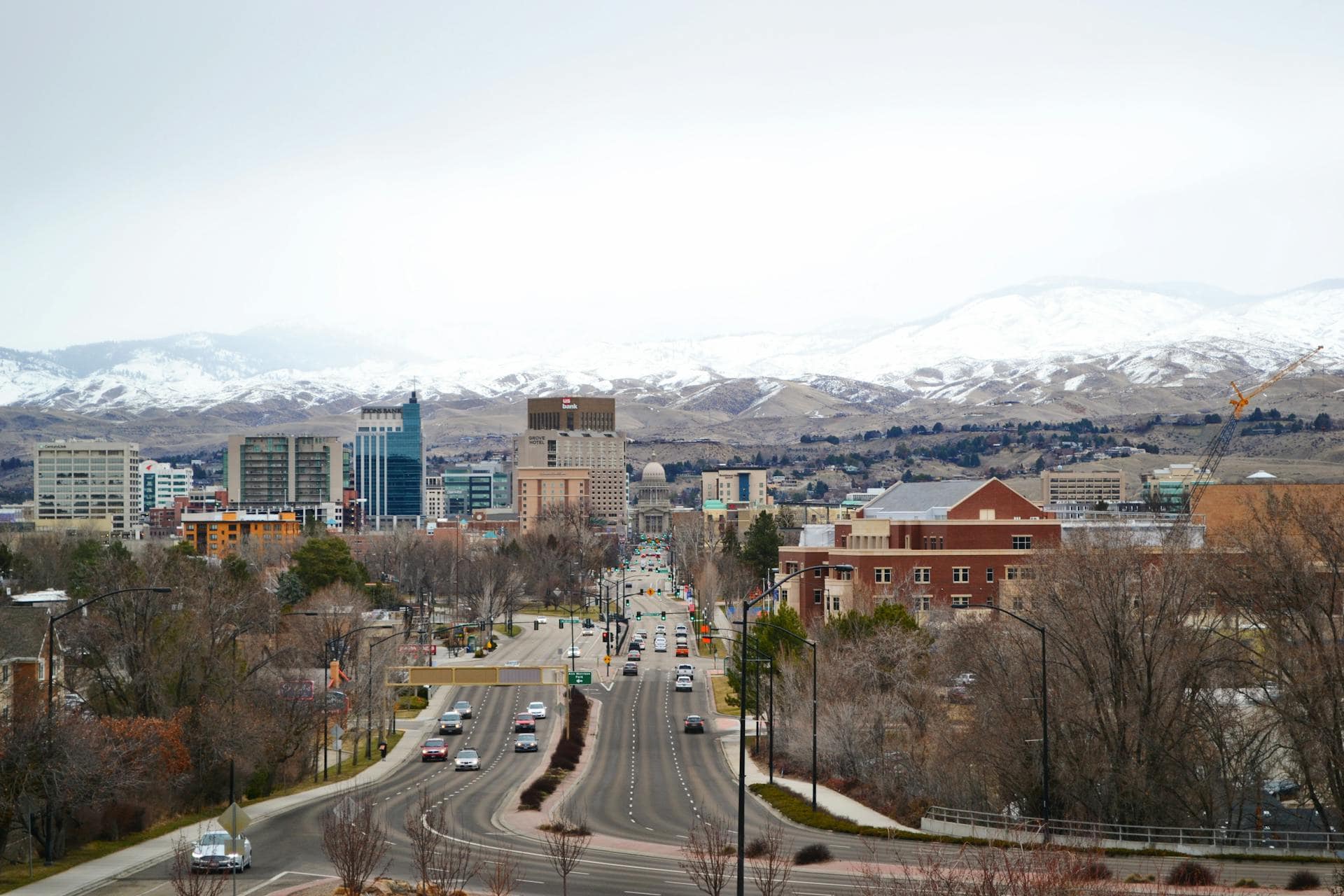
As of January 2026, Idaho Power customers face higher electric rates following a general rate case increase of $110 million. For residential customers, this amounts to a 9.74 percent increase and translates to roughly $12 more on a monthly bill for a typical residential customer using 900 kilowatt-hours per month. (A 3.73 percent residential increase also took effect in early 2025.
Population Growth and AI Driving Demand — And Rates
According to Idaho Power’s 2025 Integrated Resource Plan, the utility expects its average number of customers to increase from 648,000 to 867,000 by 2045. However, Idaho Power saw about 16,500 net new customers in the 12 months ended March 31, 2025 (approximately 2.6 percent growth). At a modest estimate of a growth rate of 15,000 customers per year, the projected population in 2045 looks closer to 950,000.
At any rate, with population growth and electricity demand from AI-driven data centers spurring new power infrastructure, generation, and grid investments, further rate increases are likely.
Increased Strain on the Grid and Fire-Related Shut-offs
While growth can bring economic benefits like more workers, more customers, and more investment, it also adds strain to infrastructure. In the power sector, that strain shows up as higher peak demand and rising costs to maintain the system during hotter summers and intense winter storms.
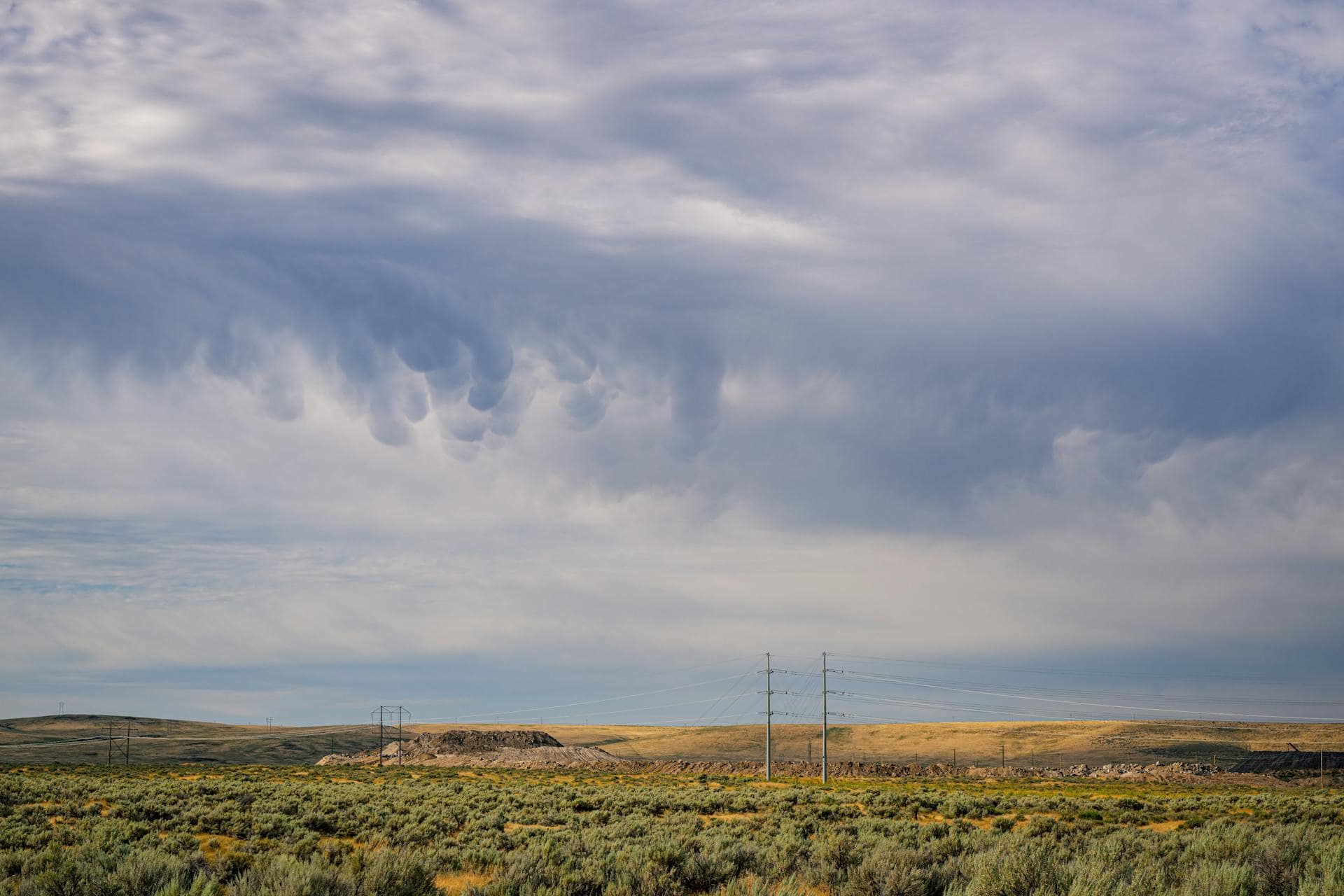
Compounding the issue is increased wildfire risk, which impacts how utilities operate. Idaho Power and other utilities now use Public Safety Power Shutoffs (PSPS) and enhanced protection settings that can automatically shut off power when conditions suggest lines may pose a fire risk, especially during hot, dry, and windy weather. These measures are designed to prevent catastrophic fires, but they also mean more frequent and sometimes longer outages for customers, even on clear days when no active fire is visible.
Gaining Energy Security With Solar
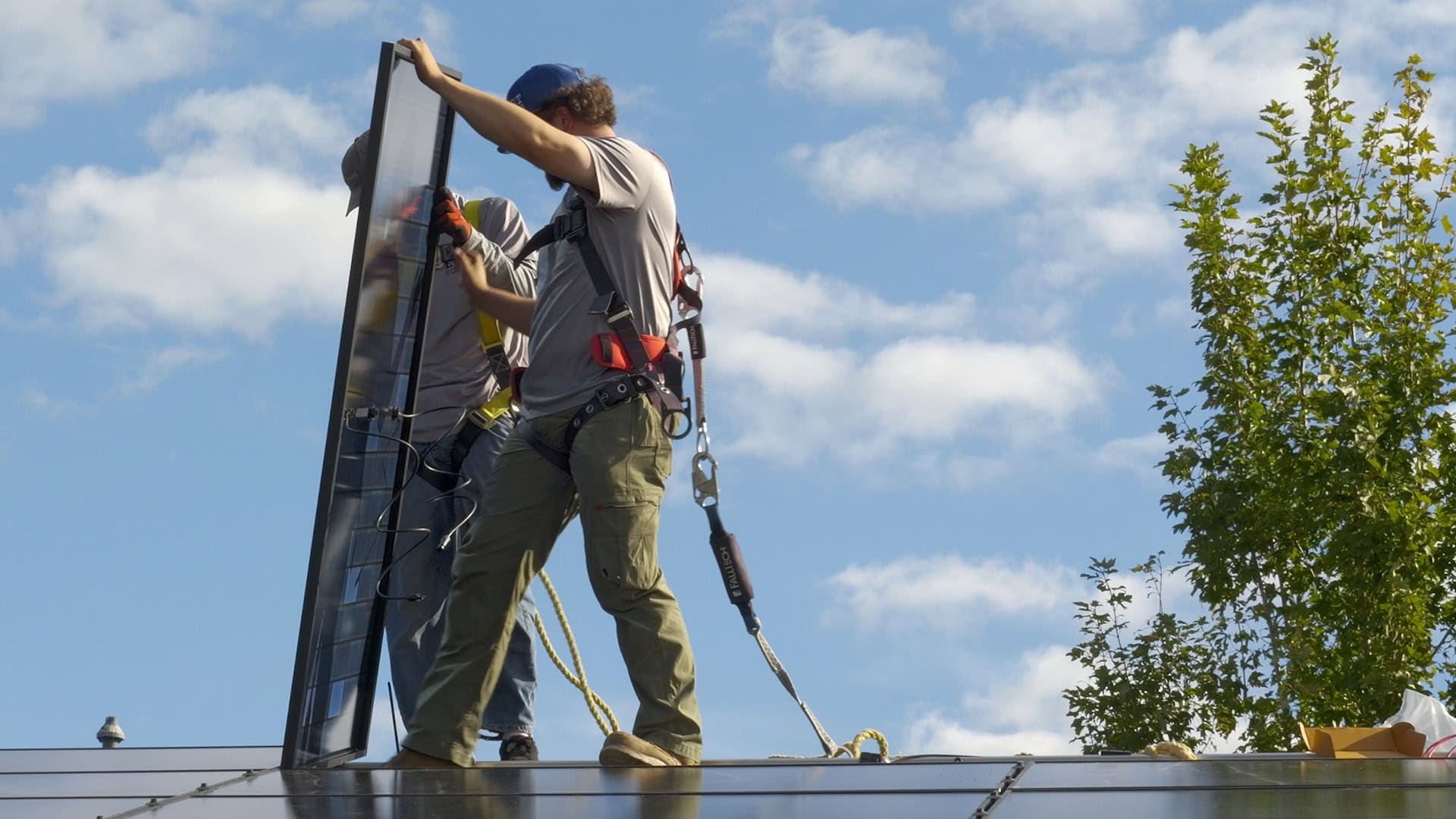
As system-wide utility investments move forward, Idaho households have limited control over the trajectory of their monthly bills if they rely solely on imported grid power. For homeowners, rooftop solar offers a practical way to stabilize their electricity costs over the long term. By producing “alternative power” on-site for 20–25 years or more, they can both reduce the amount of energy purchased at increasing retail rates and mitigate the impacts of power outages.
“I’ve been looking at alternative power for a while, and what accelerated that decision-making was: we’re currently facing a pretty big uptick in power demand, and it’s only just started. I’ve been through many different power outages over my life, and they’re not fun, so I wanted to take action.”
Studies show that residential solar systems typically pay for themselves over time, with payback periods in Idaho typically up to around 12 years, and additional years of useful system life afterward — even without the former 30 percent federal credit. As utility rates increase and time-of-use pricing becomes more common, pairing solar with battery storage can also help households avoid higher-priced periods and maintain critical home functions during outages.
Solar As an Economic Decision — Not Just About Tax Incentives
Idaho’s high number of sunny days annually strengthens the economics of rooftop solar, supporting strong system output that translates into more kilowatt-hours offset and protection from future rate adjustments. At a time when residential customers are shouldering a share of growing system costs, local power production is a practical way to manage long-term bills and gain household energy security. This is an economic decision that is no longer driven primarily by tax incentives.
Rooftop solar, in both residential and commercial locations, is becoming a central part of how Idahoans respond to rising electricity rates and regional growth. Localized energy generation is quickly emerging as a newsworthy economic and resilience topic rather than a trend dependent on temporary tax policy.
Ready to explore your options? Contact us anytime to request an estimate.